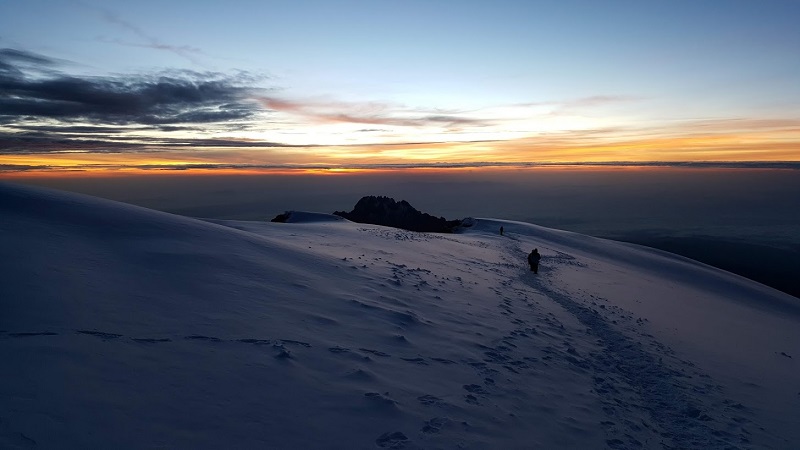
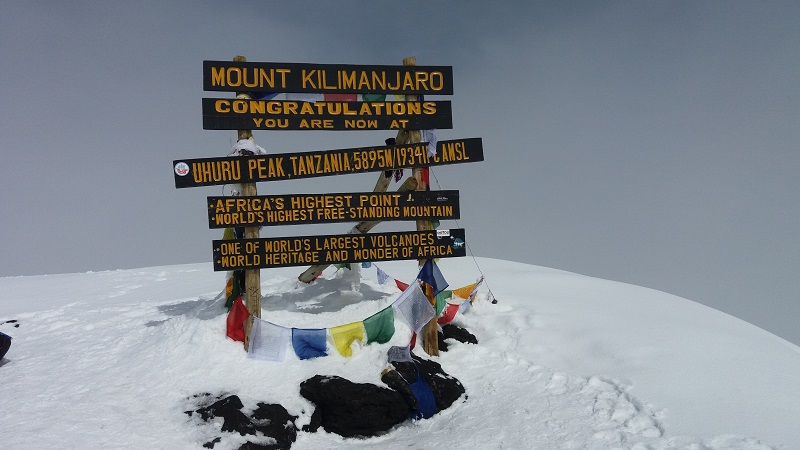
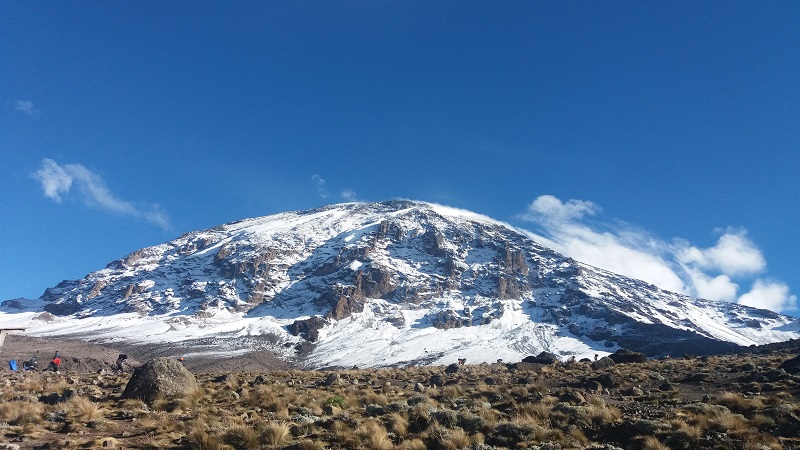
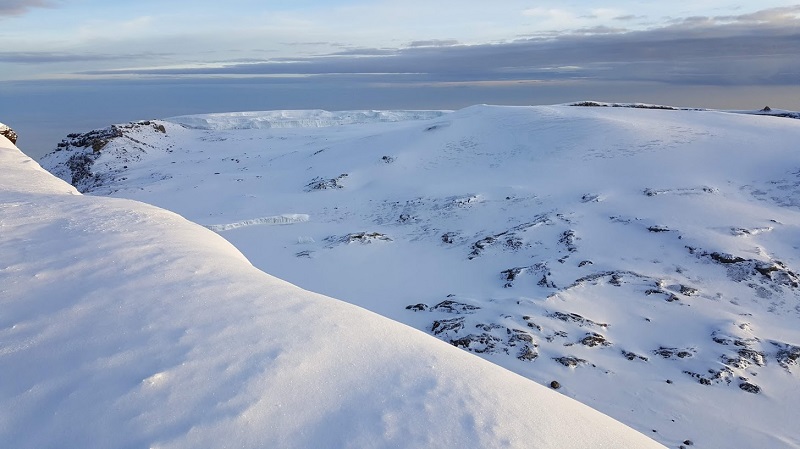
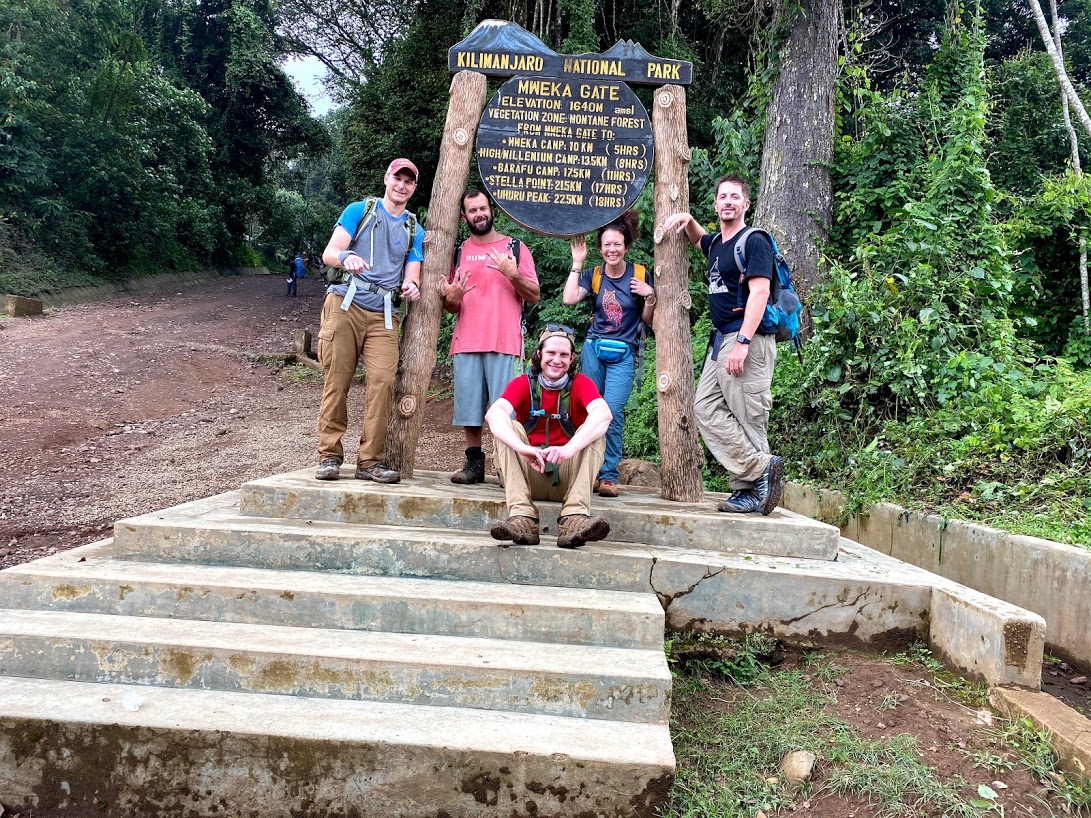
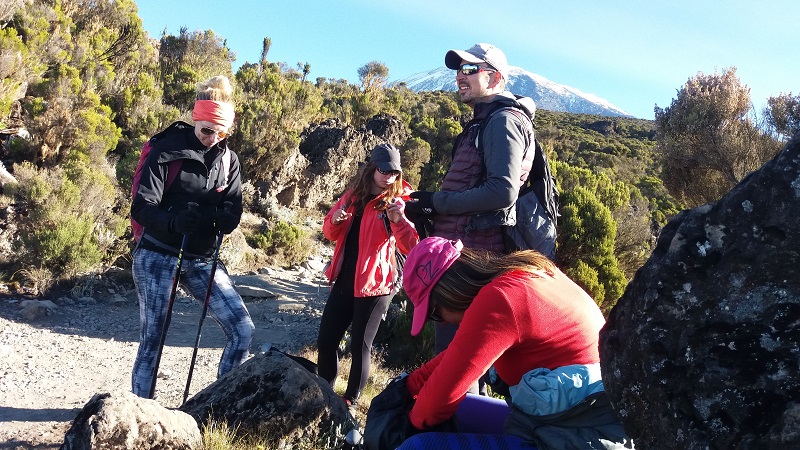
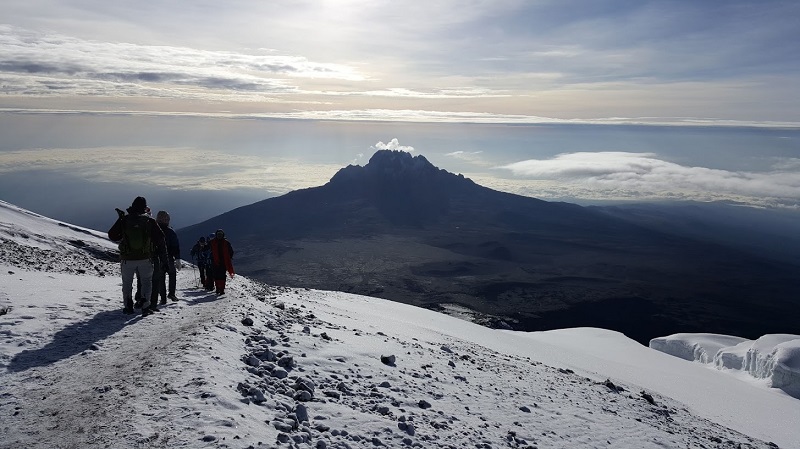
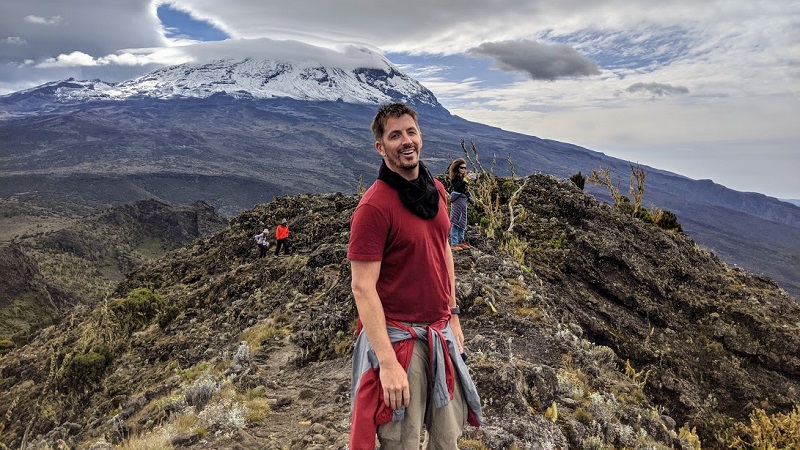
Tanzania is home to the Roof of Africa – Mount Kilimanjaro (5895 meters), which is the highest free-standing mountain in the world while popular to be the highest Mountain all over Africa. However, Mt. Kilimanjaro is one of the world’s superb Climbers accessible peaks summits (Uhuru Peak) with little more than a walking stick, proper clothing and determination.
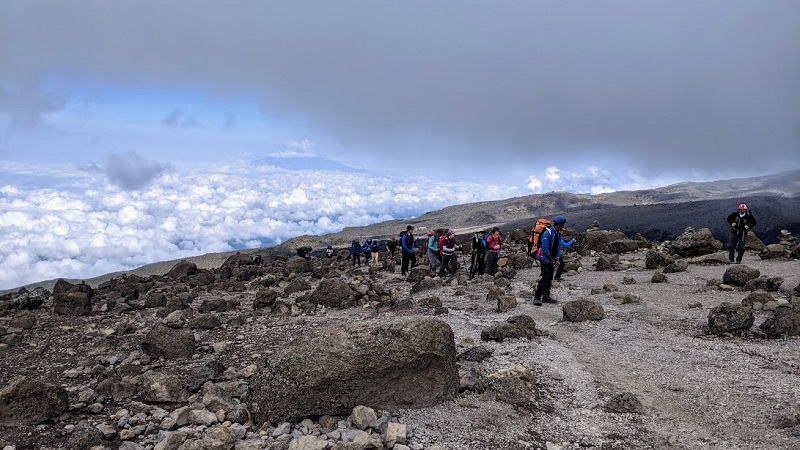
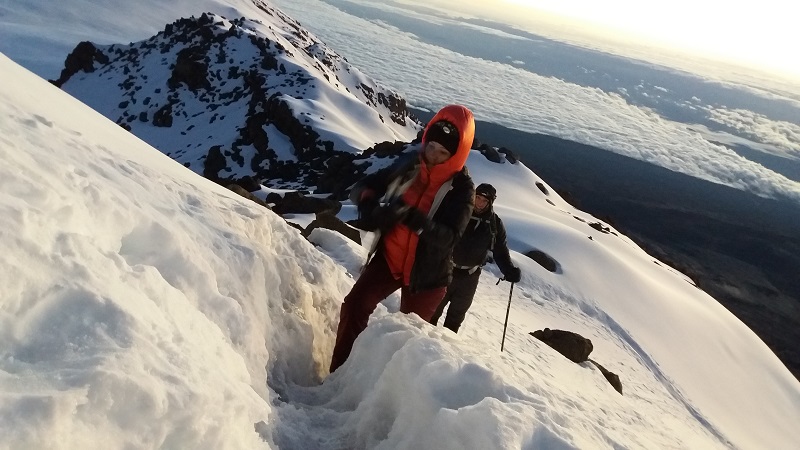
Trekking Mount Kilimanjaro makes the climbers to feel the world safari, over a spectacular tropical rain forest on the lower slopes and alpine moorland, in almost plain alpine desert with a superb freezing Arctic summit of snow and ice, about 3 degrees south of the Equator.
Mt. Kilimanjaro treks accessible over seven routes to a summit point. Northern circuit route, Umbwe route, Lemosho route, Rongai route, Machame route, Londorosi route(Shira Route) and Marangu Route which is the most popular easier trekking route.
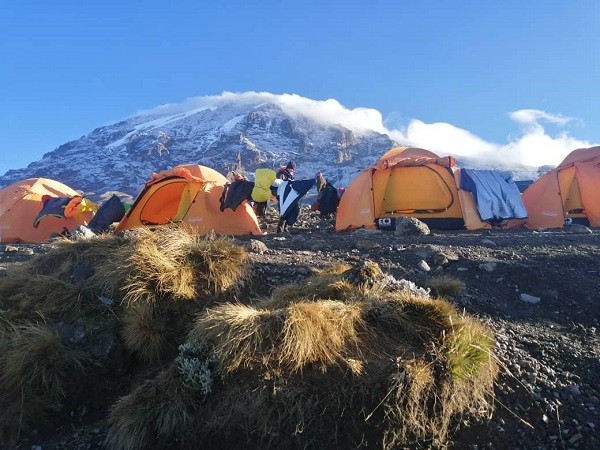
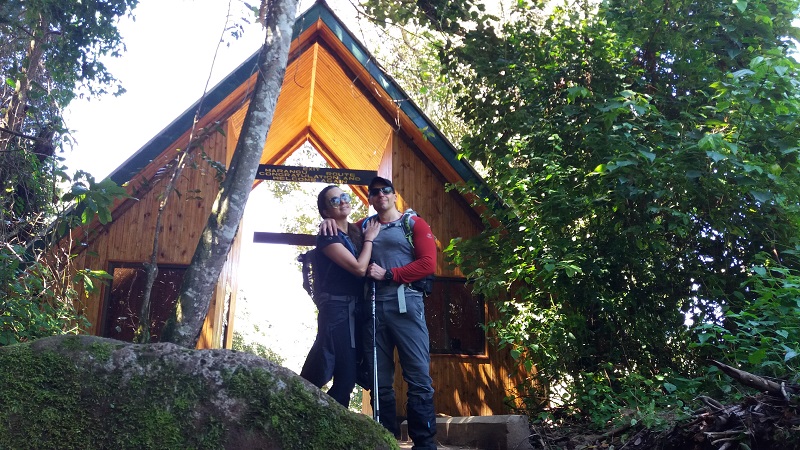
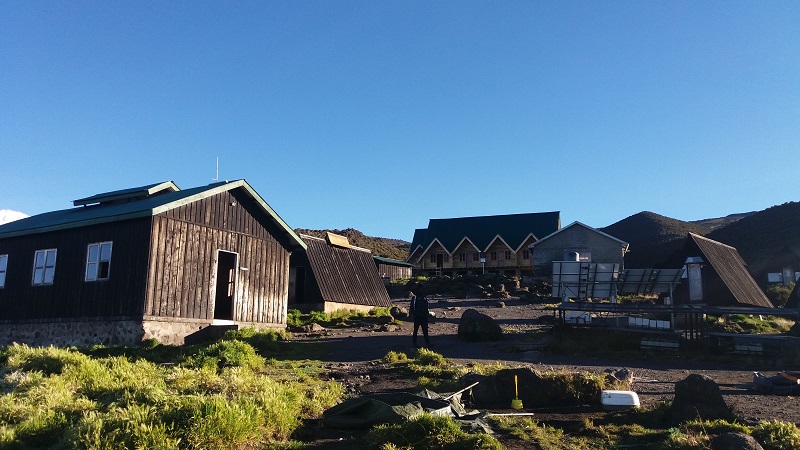
Mweka route is the mostly popular down descending route as it is very short and fastest route. The choice of the route depending on the degree interest of the visitors (trekkers) themselves. Climbing Kilimanjaro can spend a minimal of five-night sand maximum of nine nights on the mountain depending from the fitness of climbers and the nature of the chosen route while other factors remain constant. Marangu and Machame route is the mostly popular route. When comes to Marangu Route, accommodation is in alpine huts while on Machame Route it is camping route oriented.no technical equipment is required on these routes.
Each route possesses different uniqueness and difficultness to climbers to feel world trekking adventure or Safaris.
| Month | Low (F) | Average (F) | High (F) | Humidity (%) | Rain Fall (in) |
|---|---|---|---|---|---|
| January | 64 | 78 | 92 | 58 | 1.4 |
| February | 64 | 78 | 92 | 57 | 2.0 |
| March | 66 | 78 | 90 | 63 | 4.7 |
| April | 67 | 76 | 85 | 73 | 13.8 |
| May | 65 | 72 | 79 | 77 | 9.3 |
| June | 62 | 70 | 78 | 69 | 1.0 |
| July | 60 | 69 | 78 | 69 | 1.0 |
| August | 60 | 60 | 80 | 69 | 0.7 |
| September | 60 | 71 | 83 | 61 | 0.6 |
| October | 62 | 75 | 88 | 57 | 1.0 |
| November | 64 | 76 | 86 | 57 | 2.5 |
| December | 64 | 77 | 90 | 60 | 2.1 |
The pressure of the air that surrounds you is called barometric pressure. When you go to higher altitudes, this pressure
drops and there is less oxygen available.
If you live in a place that’s located at a moderately high altitude, you get used to the air pressure. But if you travel
to a place at a higher altitude than you’re used to, your body will need time to adjust to the change in pressure.
Any time you go above 8,000 feet, you can be at risk for altitude sickness.
You might have:Headache,Dizziness,Nausea,Vomiting,Fatigue and loss of energy,Shortness of breath,Problems with sleep,
Loss of appetite.
Symptoms usually come on within 12 to 24 hours of reaching a higher elevation and then get better
within a day or two as your body adjusts to the change in altitude.
If you have a more moderate case of altitude sickness, your symptoms might feel more intense and not improve with
over-the-counter medications. Instead of feeling better as time goes on, you’ll start to feel worse. You’ll have more
shortness of breath and fatigue. You may also have:
Anyone can develop altitude sickness, no matter how fit, young, or healthy they are -- even Olympic athletes can get it.
In fact, being physically active at a high elevation makes you more likely to get it.
Your chance of getting altitude sickness depends on a few other things: how quickly you move to a higher elevation, how
high you go up, the altitude where you sleep, and other factors.
Your risk also depends on where you live and the altitude there, your age (young people are more likely to get it), and
whether you’ve had altitude sickness before
Having certain illnesses like diabetes or lung disease doesn’t automatically make you more likely to develop altitude
sickness. But your genes could play a role in your body’s ability to handle higher elevations.
If you get a headache and at least one other symptom associated with altitude sickness within a day or two of changing
your elevation, you might have altitude sickness. If your symptoms are more severe, you’ll need medical attention.
Your doctor might listen to your chest with a stethoscope or take an X-ray of your chest or an MRI or CT scan of your brain
to look for fluid.
Knowing the symptoms of altitude sickness will help you seek treatment early, while the condition is still mild. The most
important treatment for any level of altitude sickness is to go down to a lower elevation as soon as possible while
remaining safe.
If you have severe altitude sickness, you’ll need to be taken down to a lower elevation right away -- and it must be lower
than 4,000 feet. You’ll have to see a doctor as soon as possible and you may need to go to the hospital.
If you have HACE, you might need a steroid called dexamethasone. If you have HAPE, you will need supplemental oxygen and may
need medications, as well as moving to a lower altitude.
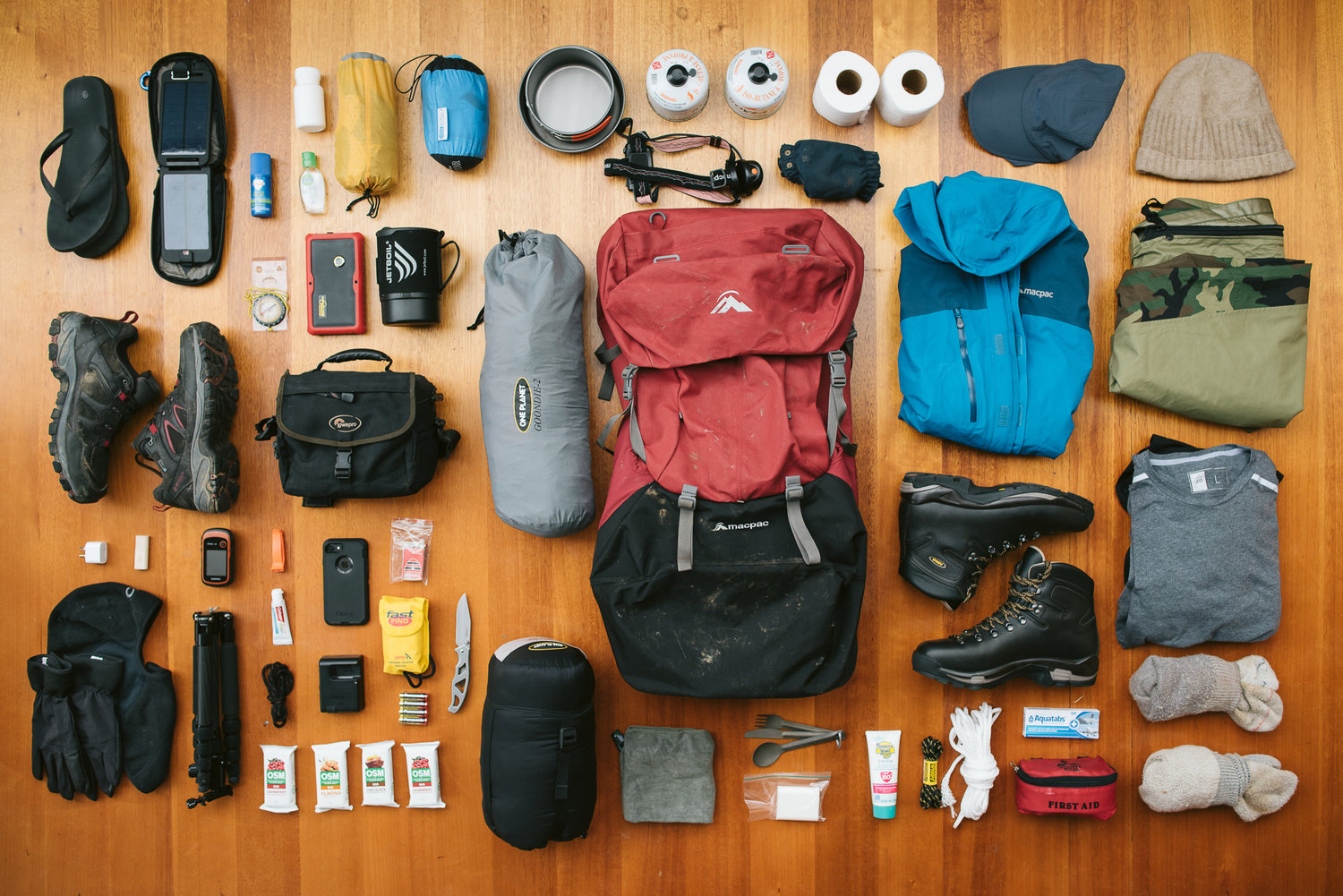
Most of kilimanjaro equipments you may hire but some is for your personal use(you must to buy it example:underwear), the picture above shows the equipments that you may hire and belows are the categories of equipments
Clothing
Headwear
Handwear
Footwear
Accessories
Equipment
“kilialtus“ offers Tourists Luxurious Safaris to explore the world for the best of your Choices and preferences